
There is a stretch of the workshop day that belongs entirely to the stone. It begins in early morning light, before the first chisel meets marble, and ends when the dust settles on completed work. Anyone who has spent time in a real stone workshop will tell you the same thing: it is not the finished piece you return for.
Granite sculpture workshop tours
The first thing you notice is how much there is to feel. With hands on cold granite or warm marble, the fingertips take over — the grain running beneath the surface, a shift in density as the stone opens out, the small rough sound of the chisel finding its angle a few strikes in. Carvers who normally work quickly find themselves stopping every few minutes to listen to what the material is telling them.
None of this is accident. Stone has memory in its structure, and learning to read it means knowing where the natural fracture lines run. Knowing why does not make it any less startling the first time you feel it give.
The second discovery is how much the eye learns. Given time to study a block of marble or granite without rushing, most carvers can read the internal pattern by the subtle shifts in tone and shadow. The trick is to stop imposing what you want to see: the stone shows its true grain best when you look past the surface, letting the light reveal what is already there.
There is a limit, and it is worth respecting it. Under poor lighting or with stone that has hidden fractures, the difference between what looks sound and what will shatter becomes impossible to judge, and the sensible choice is to step back and reassess. Nobody hands out prizes for wasted marble.
Stone Carving Techniques for Granite
Patience, which is the part almost nobody brings enough of. One more day of study than you think the block needs, because the deepest understanding of the material arrives not in the first hour but after living with it for weeks. And a design you already know by heart, since this is not the time to improvise on a piece of marble worth its weight in gold.
Also: document your process. This single habit is what separates the sculptors who build lasting reputations from those who repeat the same mistakes. It costs nothing and it transforms each piece into a foundation for the next.
Beyond that it asks for very little. Tools you keep sharp, a workspace free of distraction, and enough time that you are not rushed through the final details. The point is to arrive prepared and to listen.
You do not carve to finish the work. You carve to understand what the stone already contains.
Then the form emerges
It does not happen all at once, and it does not happen where you expect. Long before the final marble texture appears, the rough shape starts to separate itself — an edge line, then the suggestion of a curve, then the fact that the mass has direction and the direction is not what you sketched. Volume comes before refinement does.
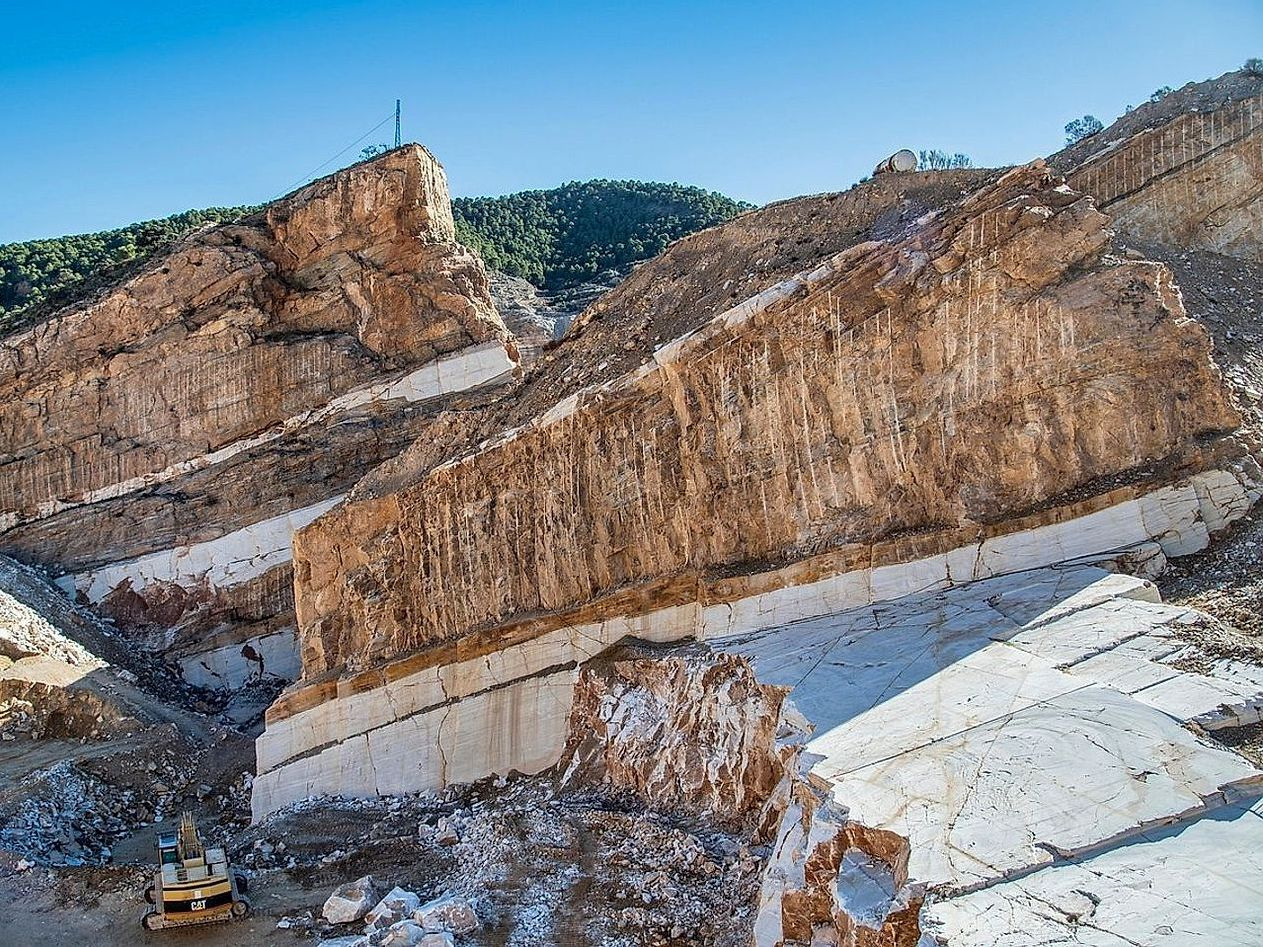
There is a short window, maybe four or five days, when the work catches the light at exactly the angle that reveals every subtlety of the carving, and every plane and curve stands clear. Then the angle shifts, the shadows lengthen, and the marble statue returns to looking like stone again.
The temptation now is to declare it finished, and there is nothing wrong with that, though almost every master carver reports the same discovery. The piece is complete, and it is not the thing. What completion cannot hold is the hundred hours of standing before the marble, studying it, adjusting by millimetres, that came before the final chisel stroke.
When the work fails
The pieces that crack are useful too. A vein that opened unexpectedly, a flaw that turned the whole direction wrong, weeks of labour that teaches you something you could never learn from instruction — these are what make the successful carvings legible. Without them the whole craft collapses into copying.
Work often enough and the stones stop being anonymous blocks. You start to recognise the ones that will yield beauty from the moment you touch them, and you are wrong often enough to keep learning. The honest reason you keep coming back has little to do with finished sculptures: for those hours nothing is asked of you, nothing can reach you, and the day's demands have not yet begun their case.
Sofia M. carves marble and granite sculpture, and has taught stone work at Sweetfreedompro for more than a decade.